Solutions

Production data infrastructure, on-prem.

Petabox solutions are built around real production workloads — from sovereign object storage and large-scale analytics to data lakes, streaming and AI infrastructure. We design the architecture around the data, performance and resilience requirements of each environment.

Some solutions combine our S3 object storage with managed data services; others use either product independently. They run on customer-controlled infrastructure and integrate with the applications, tools and workflows already in place.

Sovereign S3 Object Storage

We have experience building large sovereign object storage platforms on customer infrastructure, from several petabytes to tens of petabytes. Petabox provides an S3-compatible storage layer that can run entirely within the customer’s own environment and scale as data volumes grow.

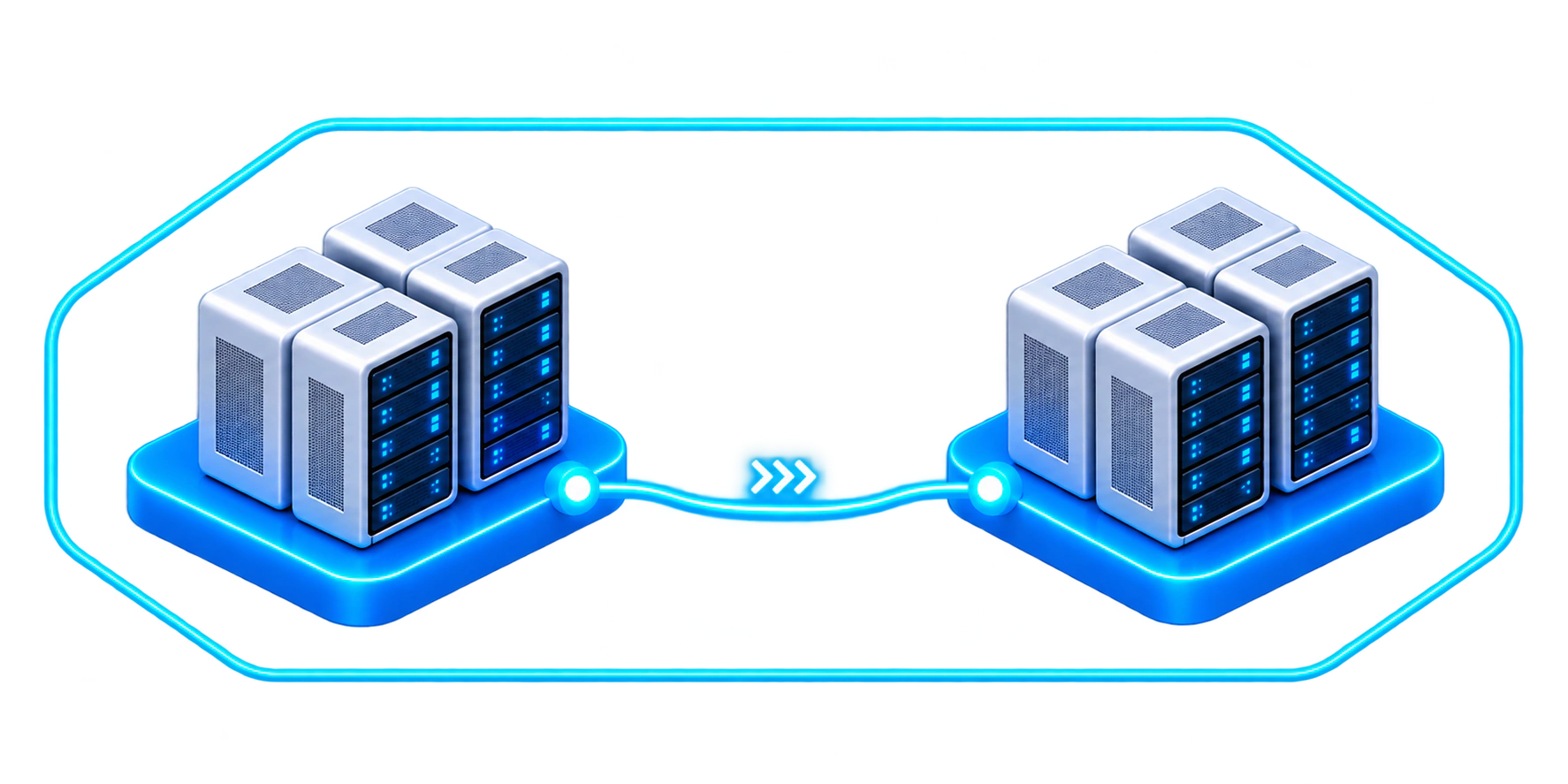
For one customer, a large S3 footprint already existed in the public cloud, but critical data had to be moved to fully controlled on-prem infrastructure. We deployed a multi-data-center S3 platform with a unified namespace and cross-DC replication.

For colder data, lifecycle rules can move older objects to external S3 storage after encryption, while keeping them visible in the same namespace and accessible through the same S3 API.
S3 Data Lake

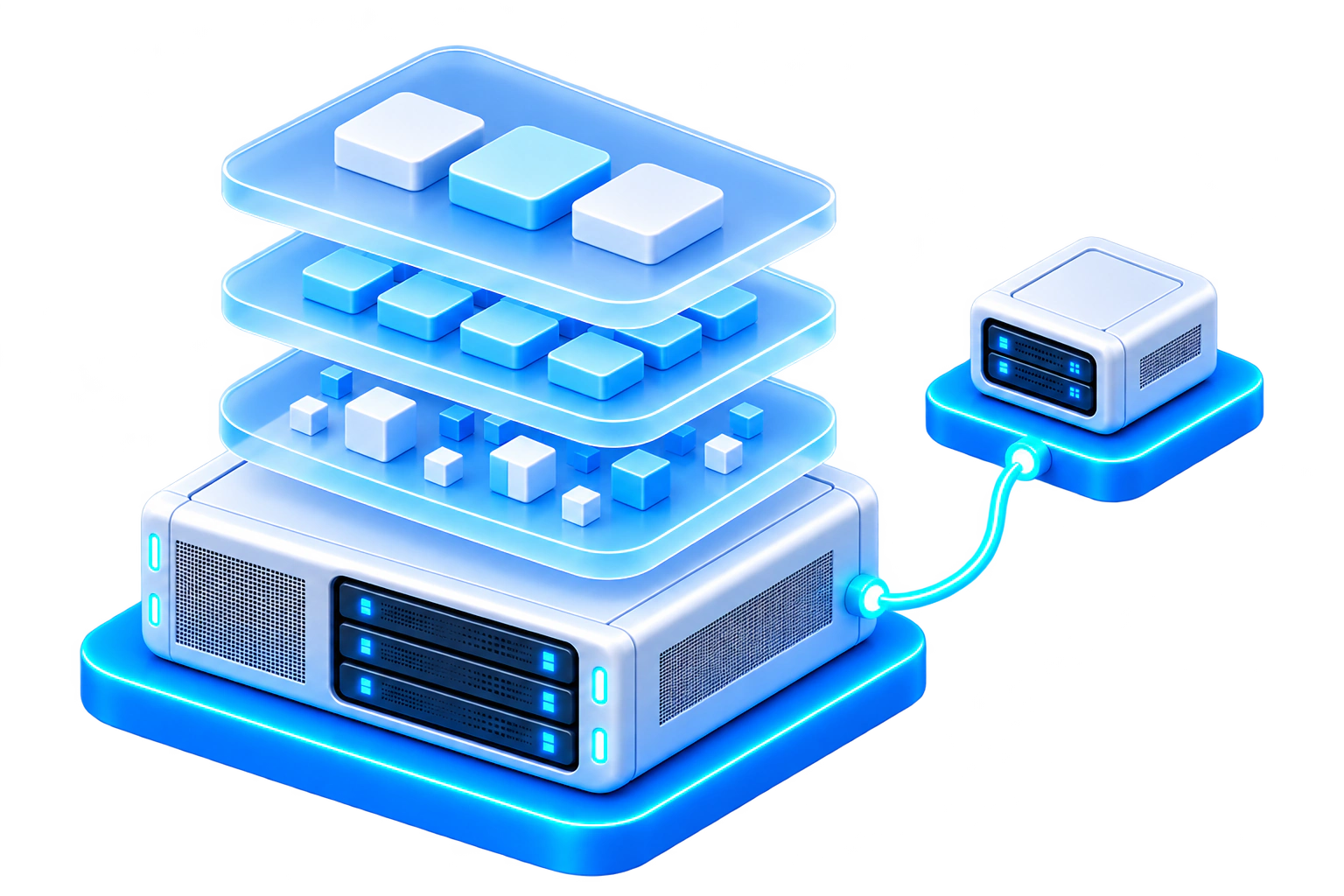
Petabox can serve as the S3 data layer for large on-prem data lakes and lakehouse platforms. It is especially well suited for the Bronze and Silver layers of the Databricks Medallion Architecture: raw ingested data, followed by cleaned, validated, and enriched datasets.

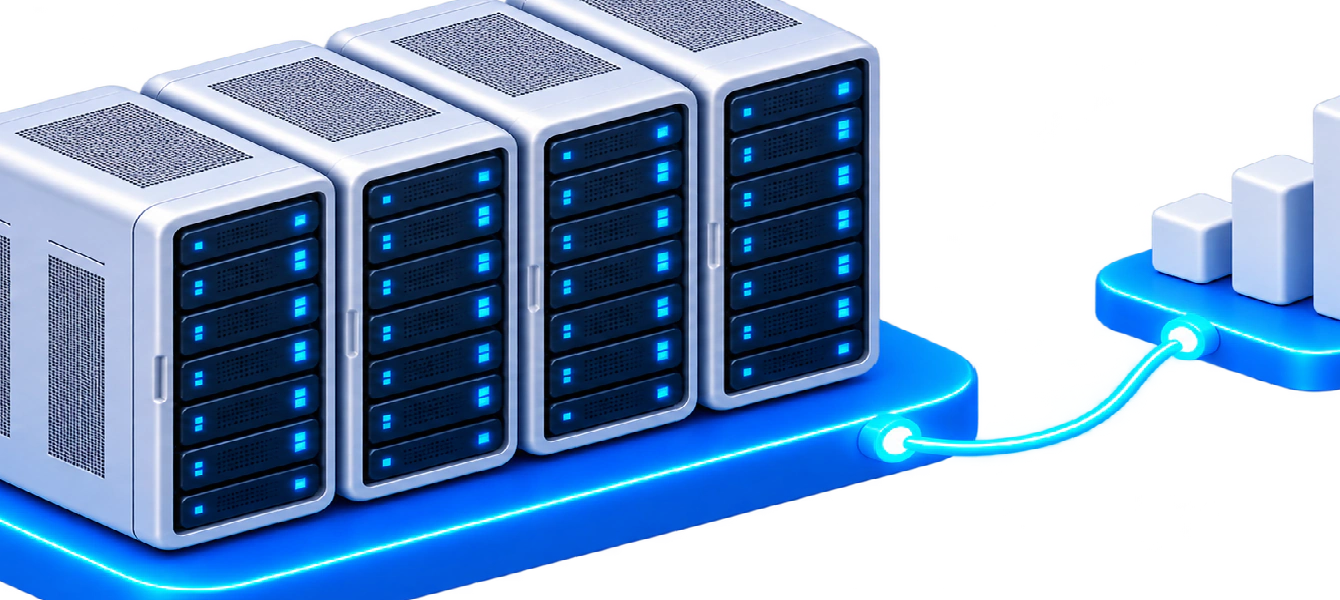
Iceberg, Spark, Trino, ClickHouse, and other analytics engines can work against the same S3 layer without tying the data platform to a single compute engine. Storage and compute scale independently, while the same datasets remain available to multiple tools without constant copying between systems.

Some customers also keep Gold-layer datasets on Petabox when they want the entire lakehouse, including curated analytical data, to remain on their own infrastructure.

Large-Scale ClickHouse

As ClickHouse grows, it stops being just a database installed on a few servers. Cluster topology, replication, fast storage, backups, monitoring, upgrades, recovery, and capacity planning all become part of the production architecture.

We deploy and operate large ClickHouse environments as a managed service. The cluster is designed around the customer’s workload, ingestion profile, query patterns, growth rate, and availability requirements, with ongoing performance monitoring and operational support.

Where it fits the architecture, ClickHouse can also run as part of a wider Petabox data platform, using S3-backed storage for selected workloads and allowing compute and storage capacity to evolve independently instead of being scaled as a single system.

Streaming & Data Pipelines

Modern data platforms rarely depend on a single engine. Kafka, Flink, RabbitMQ, Airflow, and related services handle different parts of the same flow: ingesting events, moving data, processing streams, coordinating jobs, and triggering downstream workloads.

We assemble these components into a single production environment for event streaming, queues, real-time processing, and workflow orchestration. Instead of several independently operated systems, the customer gets one managed data pipeline with a consistent operational model.

The stack is designed around the customer’s throughput, latency, reliability, and retention requirements, with monitoring, upgrades, capacity planning, and recovery handled as part of the service rather than left to separate internal teams.

AI / ML Data Layer

AI and ML workloads need two things at once: very fast access to active datasets and large amounts of cost-efficient storage for everything else. Keeping the entire dataset on NVMe is expensive, while putting everything on HDD can make training and inference unnecessarily slow.

Petabox allows fast SSD or NVMe clusters to be used for active datasets while large HDD clusters provide the capacity tier for bulk data. Both can remain part of a single S3 namespace, so applications and compute infrastructure do not need to manage separate storage systems.

Each tier can scale independently as the workload changes, giving AI platforms a practical way to balance performance, capacity, and cost on customer-owned infrastructure.

Immutable Archive Storage

Long-term archive storage does not usually need the fastest media. It needs low cost per terabyte, high storage density, predictable durability, and protection against accidental or malicious deletion.

Petabox can be deployed as a large HDD-based archive tier using erasure coding to reduce storage overhead compared with full replication. Object Lock and WORM policies can protect data from modification or deletion for defined retention periods, while lifecycle rules automate movement between storage tiers as data ages.

The result is an on-prem archive platform designed for very large datasets and long retention periods, without forcing the customer to keep rarely accessed information on expensive high-performance storage.

Video Surveillance Storage

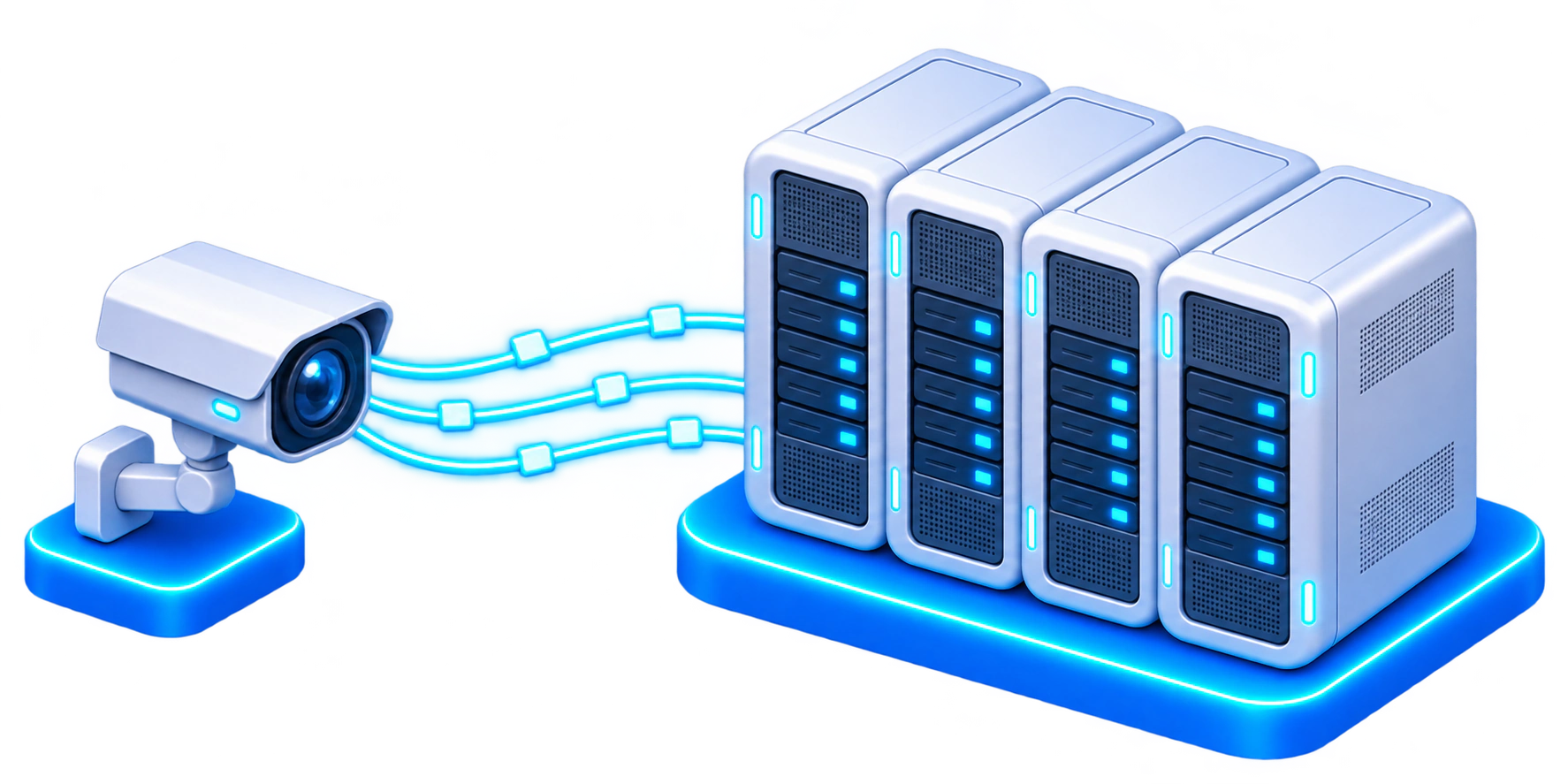
Video surveillance produces a continuous stream of data. Hundreds or thousands of cameras can generate large volumes every day, while recent footage must remain quickly accessible and older recordings may need to be retained for weeks, months, or longer.

We build S3 storage for sustained ingest and long retention, using fast storage where recent video requires immediate access and large HDD-based clusters for the growing archive. Erasure coding helps keep capacity costs under control as retention grows.

Lifecycle rules can move recordings between tiers automatically, while a unified S3 layer keeps the storage architecture manageable as camera count, retention requirements, and total archive size increase over time.